 Ahmedabad Gujarat, India
  Mon-Sat 9.00 AM to 6.00 PM
Have a question ?
08045803588Ahmedabad Gujarat, India Mon-Sat 9.00 AM to 6.00 PMHave a question ?
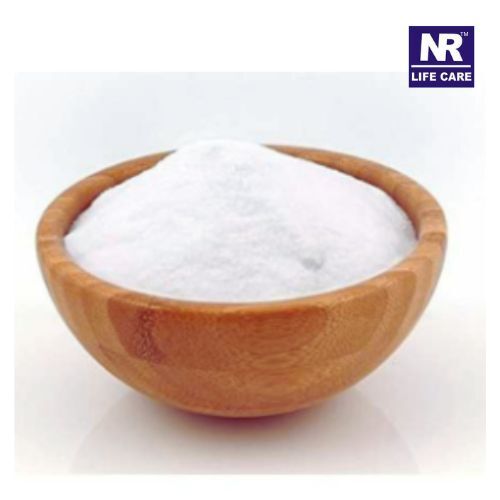
08045803588The production of aluminium chloride typically involves the reaction of aluminium metal with hydrogen chloride gas. The resulting compound is a volatile solid that sublimes at high temperatures. Aluminium chloride can also be synthesized by treating aluminium hydroxide or aluminium oxide with hydrochloric acid.
One of the primary applications of aluminium chloride is as a catalyst in organic synthesis. It is widely used in the chemical industry for various reactions, including Friedel-Crafts acylation and alkylation reactions. Aluminium chloride acts as a Lewis acid, which can accept electron pairs from other molecules, facilitating chemical reactions and promoting the formation of new compounds. It is particularly useful in the production of fragrances, dyes, pharmaceuticals, and polymers.
In addition to its catalytic properties, aluminium chloride is used as an additive in the production of polymeric materials. It is employed as a polymerization initiator and a modifier in the synthesis of various polymers, including polyethene and polypropylene. Aluminium chloride can alter the molecular weight, structure, and properties of polymers, leading to desired characteristics such as increased strength, flexibility, and heat resistance.
Furthermore, aluminium chloride is utilized in the production of certain pharmaceuticals and drugs. It serves as a starting material or intermediate in the synthesis of various medications, including antiperspirants, antacids, antihistamines, and anti-cancer drugs. Aluminium chloride is also used in the formulation of vaccines and other medical products.
In conclusion, aluminium chloride is a versatile chemical with numerous industrial applications. Its role as a catalyst in organic synthesis, its usage in the petroleum industry, and its contributions to polymer production highlight its importance in various sectors.

Price:
Price 1 INR / Kilograms
Minimum Order Quantity : 100 Kilograms
Usage : Used as an anthelmintic drug for treatment and control of gastrointestinal parasites in animals
CAS No : 43210679
Storage : Other, Store in a tightly closed container, in a dry, cool, and wellventilated place, protected from light
Grade : IP/BP
Price 3600 INR / Kilograms
Minimum Order Quantity : 100 Kilograms
Usage : Used to relieve chest congestion
CAS No : 93141
Storage : Other, Store in a cool, dry place, protected from light
Grade : Pharmaceutical Grade
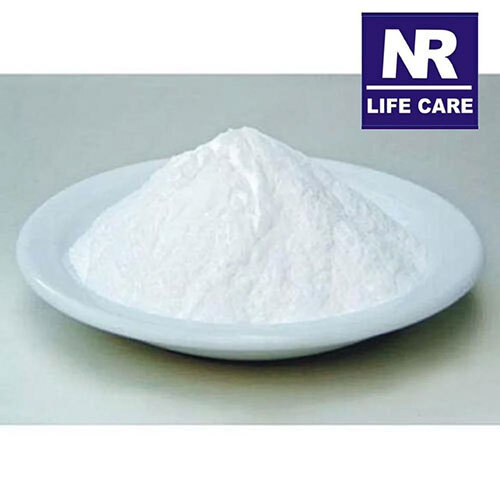
Price 1 INR / Kilograms
Minimum Order Quantity : 100 Kilograms
Usage : For manufacture of hydroxychloroquine tablets, suspension forms, and other dosage forms
CAS No : 747364
Storage : Other, Keep tightly closed in wellventilated dry area below 25C, protected from light
Grade : IP/USP Pharma Grade
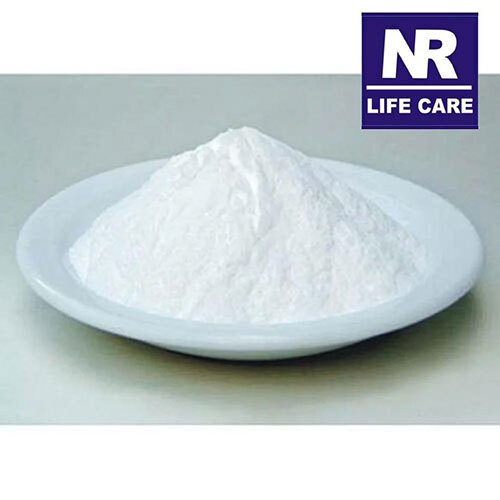
Price 1 INR / Kilograms
Minimum Order Quantity : 100 Kilograms
Usage : Pharmaceutical formulation
CAS No : 56296787
Storage : Other, Store in a cool, dry place, away from light
Grade : Pharma Grade
GST : 24ADVPN9611L2ZU




 Send Inquiry

 Send Inquiry


 Send Inquiry
 Send SMS
 English
 Spanish
 French
 German
 Italian
 Chinese (Simplified)
 Japanese
 Korean
 Arabic
 Portuguese